
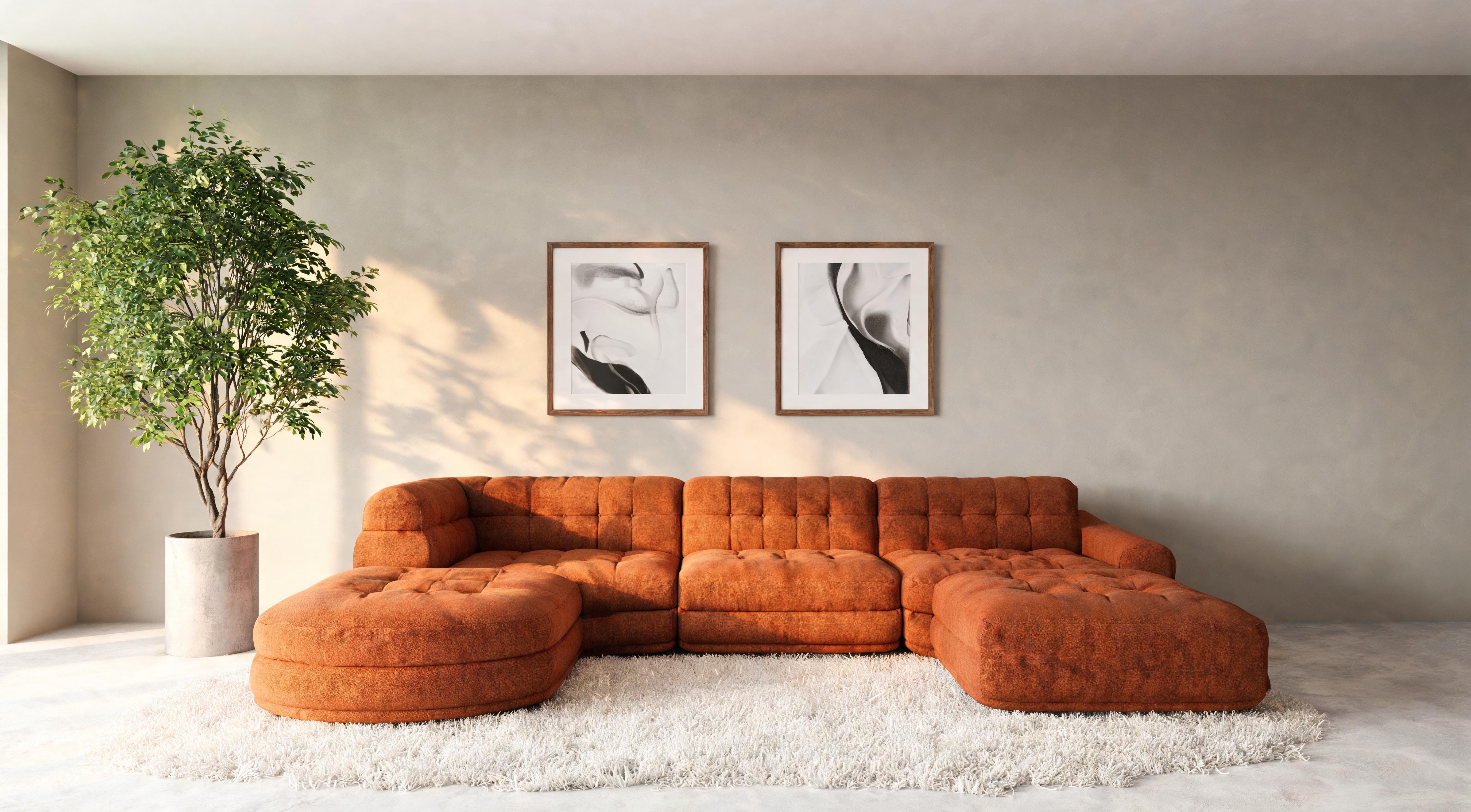
How to Choose a Sofa You Won't Regret in Three Years
Shape, size, seat depth, fabric, leg height and the sofa-to-room ratio explained honestly. What to measure before you buy and what to ignore in the showroom.
The sofa is the most expensive single piece of furniture in most homes and the one most frequently chosen badly. The problem is not taste — most people have a clear sense of what they like visually. The problem is that sofas are bought in showrooms where they sit in isolation on a polished floor under flattering lighting, and then delivered into a real living room where they are too deep to sit on comfortably, too wide for the wall they were supposed to sit against, too low for the person who wanted to read on them, or upholstered in a fabric that shows every crease after the first week.
This guide covers the decisions in the order they actually matter — not colour or style first, but size and proportion first, because those are the decisions you cannot change after delivery.
Size: The Measurement That Decides Everything
The most important measurement for any sofa is not its width or length. It is its seat depth — the distance from the front edge of the seat cushion to the back of the sofa at seat level. This single number determines whether the sofa is comfortable for you specifically, and it is the measurement most people never check.
The way to test seat depth in a showroom is to sit with your back fully against the back cushion. If your feet do not reach the floor comfortably — if your calves are pressing against the front edge of the seat rather than hanging freely — the sofa is too deep for you. No amount of cushion rearrangement fixes a seat depth mismatch. It is a structural problem.
The overall width of the sofa — its total footprint in the room — is the second measurement to confirm before ordering. Tape out the sofa’s dimensions on the floor of your living room and live with the tape for a day. Walk around it. Sit on an imaginary sofa of that size. The room looks different in a showroom photograph than it does in your actual space, and the tape test is consistently more revealing than any floor plan.
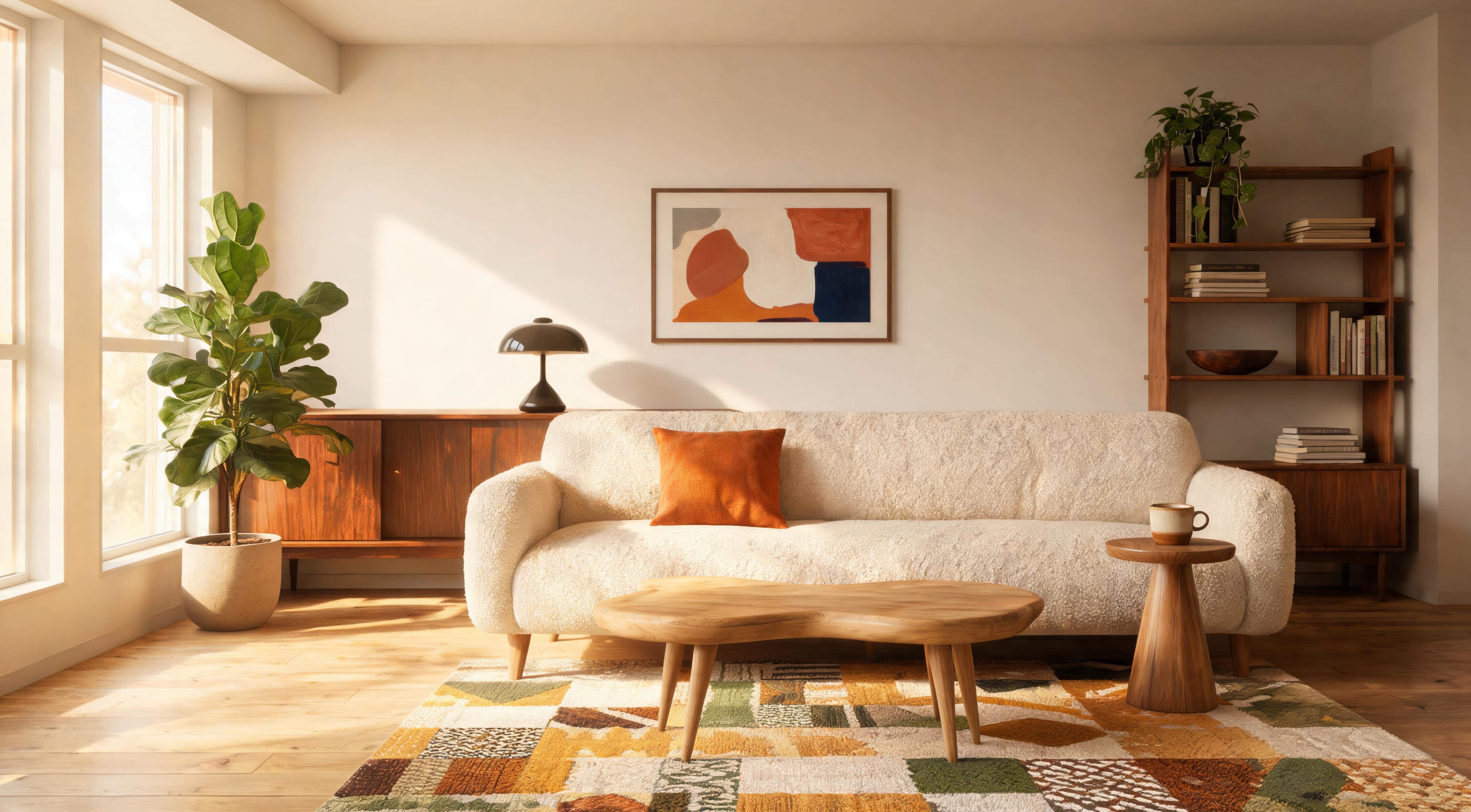
Shape: Three-Seater, Two-Seater, or L-Shape
The default assumption is that a living room needs one large sofa — a three-seater or a corner sofa that fills the main wall. This is sometimes correct and frequently wrong. Two smaller sofas facing each other, or a two-seater with an armchair, often work better than a single large piece for three reasons: they create a more sociable arrangement, they allow more flexible room layouts, and they make the room feel less dominated by a single object.
The L-shape is the decision most people get wrong. A corner sofa works when it defines the boundary between a living area and a dining area in an open-plan space — the back of the sofa creates a visual wall. It does not work when it fills a small living room wall to wall, because there is no way to walk around it and the room becomes a sofa with a room attached.
Fabric: What Lasts and What Doesn’t
The fabric decision is where the gap between showroom expectation and daily reality is widest. Every fabric looks good in a showroom — clean, pressed, evenly lit. The question is what it looks like after two years of daily use, because that is the surface you will actually live with.
The honest advice: if you have children or pets, performance fabric is the correct choice regardless of aesthetic preference. A beautiful linen sofa that is stained within six months and cannot be cleaned is not a beautiful sofa — it is an expensive reminder of a fabric decision made in a showroom. Performance fabrics have improved enormously in the last five years and many are now genuinely difficult to distinguish from natural textiles by touch.
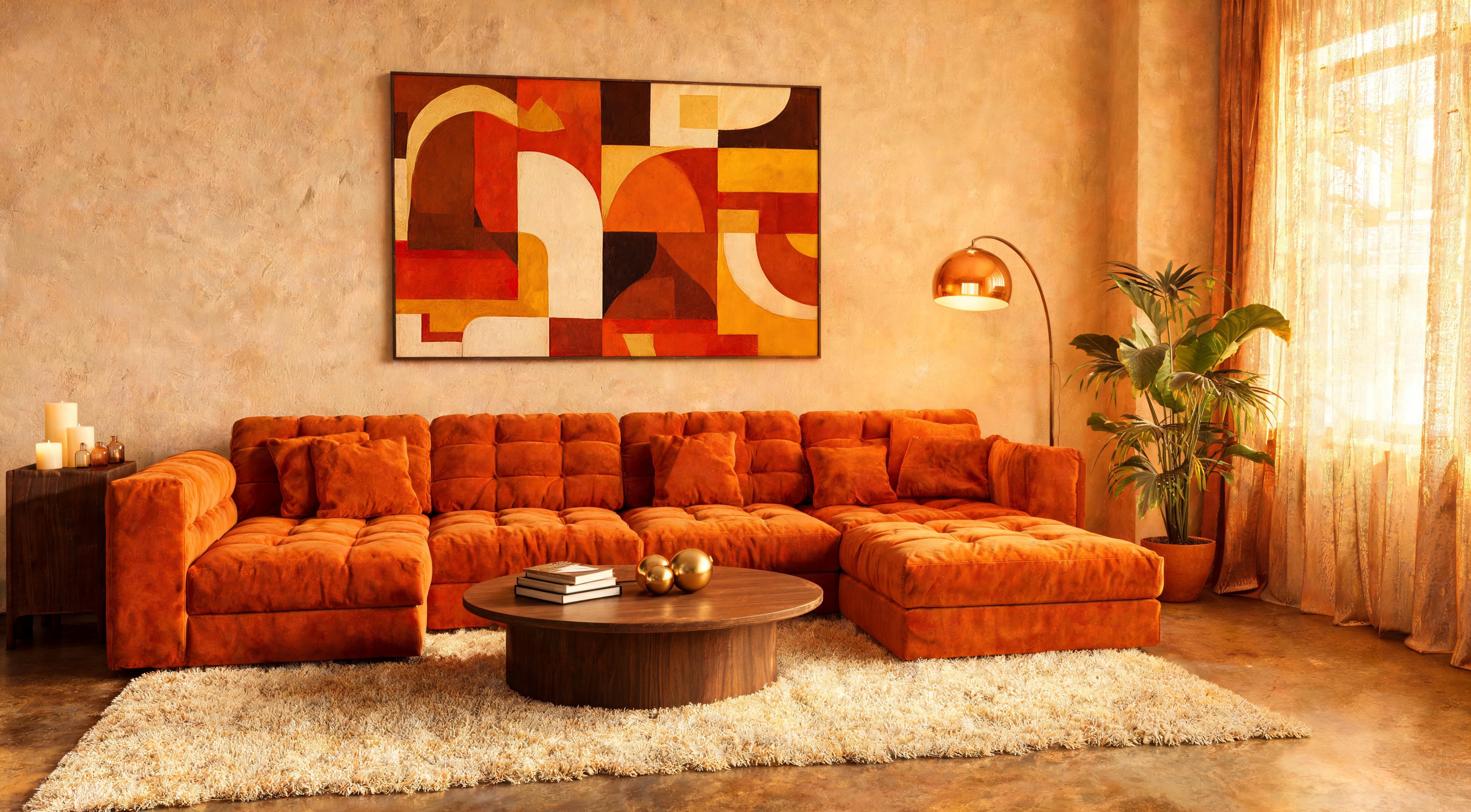
Filling and Cushion Type
The filling inside the seat cushion determines how the sofa feels on day one and — more importantly — how it feels on day five hundred. This is the specification most people overlook entirely and the one that generates the most regret.
Foam-core cushions with a fibre wrap are the most consistent. The foam provides structure and support; the fibre wrap softens the surface and prevents the industrial feel of sitting on bare foam. A high-density foam core retains its shape for years. A low-density foam core — the kind used in budget sofas — compresses permanently within twelve to eighteen months, leaving visible dips where people habitually sit.
Feather-filled cushions are the softest and the most luxurious to sit on — and the highest maintenance. Feather cushions need plumping after every use. They flatten over the course of an evening. They need rotating weekly to prevent uneven compression. The look of a feather-filled sofa is deliberately relaxed and slightly rumpled, which suits some interiors and frustrates others. If you want a sofa that looks pristine at all times, feather filling is not the answer.
A feather-and-foam combination — foam core wrapped in a feather layer — offers the best of both: the support and longevity of foam with the surface softness of feather, and less maintenance than pure feather.
Watch out for
Showroom sofas have been plumped by staff minutes before you sit down. Ask the showroom assistant to let you sit on a display model that has not been prepared — the one at the back, the one people have been testing all day. That is what the sofa will feel like after a week in your home.
Legs: The Detail That Changes the Whole Room
Sofa legs are a minor specification with a disproportionate visual impact. A sofa with 15cm legs — showing a strip of floor beneath — reads as lighter and makes the room feel more spacious because the floor line is unbroken. A sofa with no legs or very short legs — sitting directly on the floor — reads as heavier and more grounded, which suits large rooms but makes small rooms feel more crowded.
Leg material matters too. Warm wood legs — oak, walnut, beech — suit rooms with wood floors and natural materials. Metal legs — black steel, brushed brass — suit more contemporary or industrial spaces. The leg is a small detail but it is visible from every angle and at floor level, which is where it connects the sofa to the rest of the room.
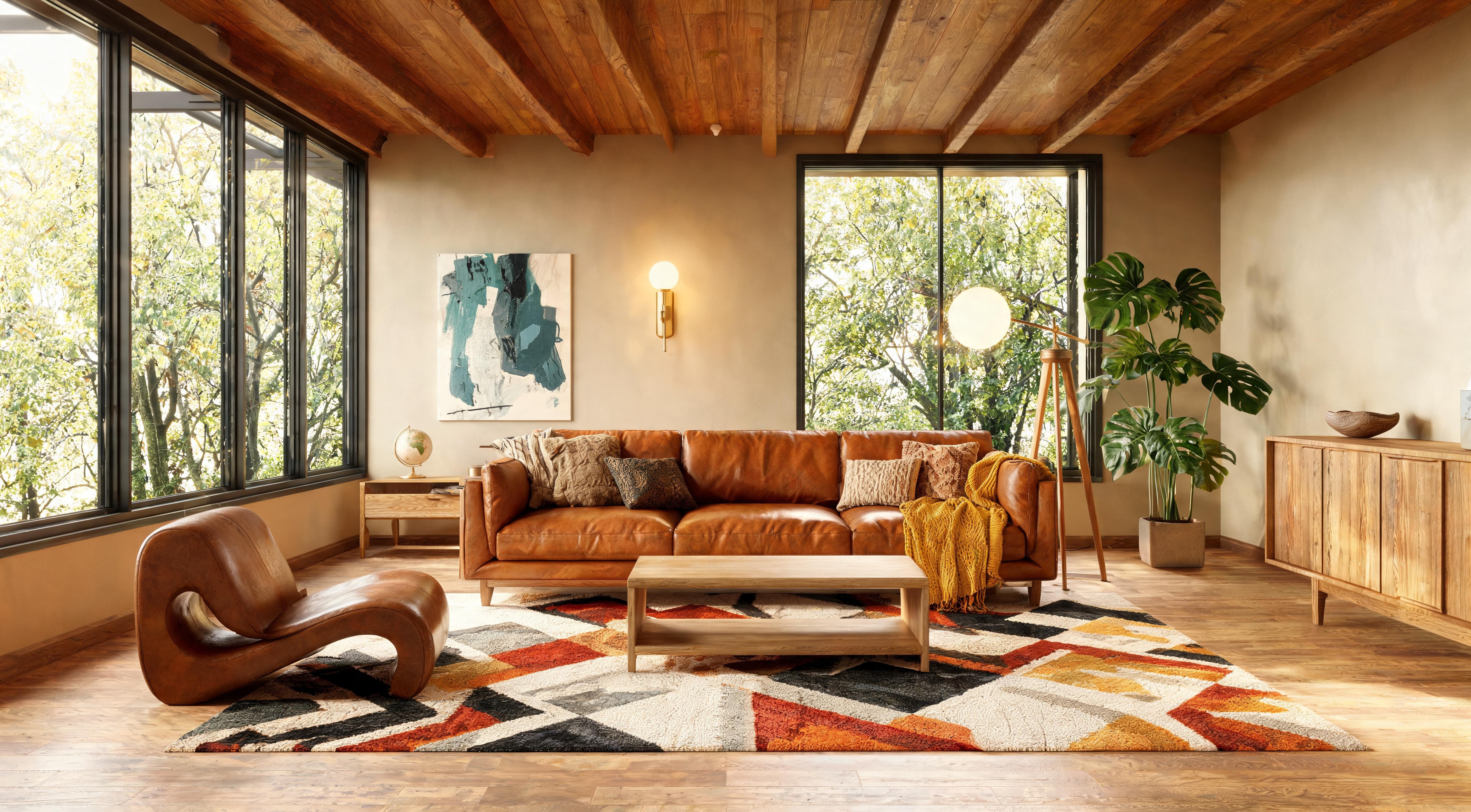
The Colour Decision
The safest sofa colour is a warm neutral — grey, stone, warm cream, soft taupe — because it survives changes in wall colour, rug, and cushion styling without looking mismatched. This is genuinely the correct advice for most people buying a sofa they will keep for seven to ten years.
The more considered approach is to treat the sofa as the room’s anchor colour and build everything else around it. A deep green velvet sofa dictates the palette of the entire room in a way that a grey sofa does not — and that commitment is either liberating or limiting depending on how often you redecorate. If you change your room’s palette every year, a neutral sofa is practical. If you commit to a colour scheme for the long term, a coloured sofa gives you a starting point that makes every other decision easier.
Watch out for
Pure white and very light cream sofas. They photograph beautifully and live terribly. Even with performance fabric, a white sofa shows denim transfer, skin oils on armrests, and the general greyness of daily life within weeks. If you want a light sofa, choose a warm off-white or a stone — something with enough colour in it to forgive real use.
A good sofa is the piece of furniture you will spend the most time on for the longest period. The decisions that matter are not the ones that are visible in a photograph — colour and style — but the ones that are invisible: seat depth, filling density, frame construction, fabric durability. Get those right and the sofa will feel as good in year five as it did on the day it arrived. Get those wrong and no amount of styling will fix the daily experience of sitting on something that does not suit you.