
How to Design a Bedroom You Never Want to Leave
Headboards, colour palettes, lighting layers and texture — a considered guide to turning an ordinary bedroom into the best room in your home.
Most bedrooms are designed by accident. A bed bought because it was on sale. A duvet chosen because it was the right size. Curtains that came with the flat and never quite got replaced. The result is a room that functions — you sleep in it, you get dressed in it — but never quite feels like yours. Designing a bedroom you genuinely do not want to leave in the morning is not about spending more money or following a trend. It is about making a series of considered decisions in the right order, starting with the things that shape the whole room and working down to the details that personalise it.
The Headboard Changes Everything
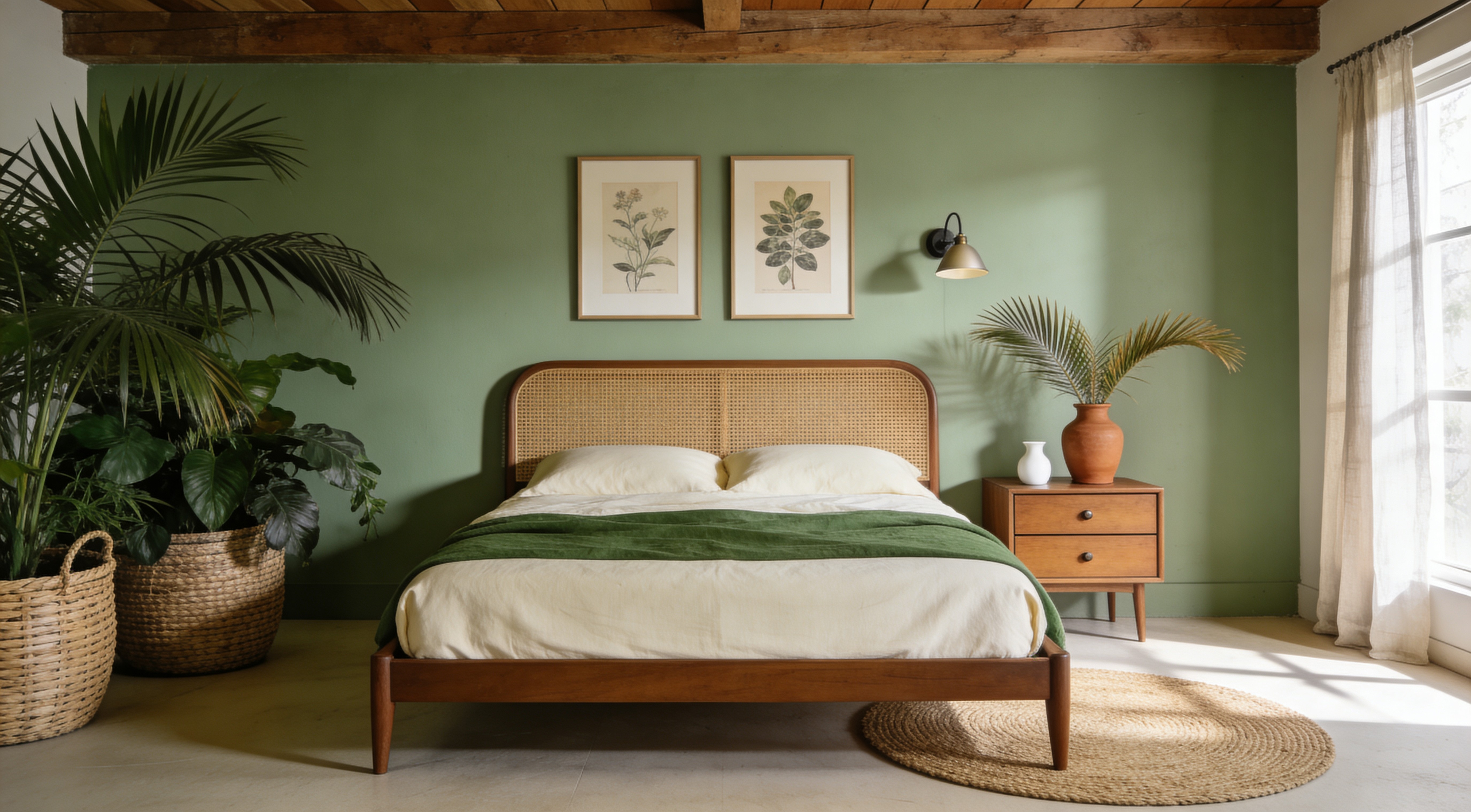
If there is one element that determines whether a bedroom feels designed or assembled, it is the headboard. A bed without a headboard — or with a thin, decorative one that disappears against the wall — leaves the bed floating in the room without an anchor. A substantial headboard grounds the bed, gives the room a focal point, and makes every other design decision easier because you have something to respond to.
Upholstered headboards — in linen, velvet, boucle, or leather — are the most popular choice in 2026 and for good reason. They add softness and warmth that hard materials cannot, and they work across a wide range of bedroom styles from calm and neutral to rich and moody. The key decisions are height, shape, and fabric.
Height matters more than most people realise. A headboard that extends to two-thirds or three-quarters of the wall height behind the bed changes the proportions of the entire room. Floor-to-ceiling upholstered panels are the most dramatic option. Shape affects the mood — arched headboards soften the geometry of a rectangular room and suit both minimal and maximalist interiors. Rectangular channel-tufted headboards feel more structured. Curved scallop-edge headboards are more playful and suit lighter palettes.
Fabric choice determines the overall feel. Boucle is the most forgiving — it hides minor marks and texture variation naturally. Linen is the most timeless and photographs best in natural light. Velvet is the most dramatic and works particularly well in deep jewel tones — forest green, midnight blue, dusty plum. Avoid leatherette in a headboard if you can — it ages less gracefully than real leather and lacks the warmth of fabric options.
Dark wood headboards — walnut, oak with a dark stain, or black-painted wood — are seeing a strong resurgence as part of the broader return to natural materials. A simple slatted wood headboard in dark walnut with white bedding and warm lighting is one of the cleanest, most timeless bedroom combinations possible. If a traditional headboard does not suit the room, a section of wall panelling — vertical shiplap, horizontal wood slats, or limewash paint — functions as a visual headboard without the furniture, and works particularly well in smaller bedrooms where a large headboard would feel heavy.
Colour Palette: The Earthy Cocooning Approach
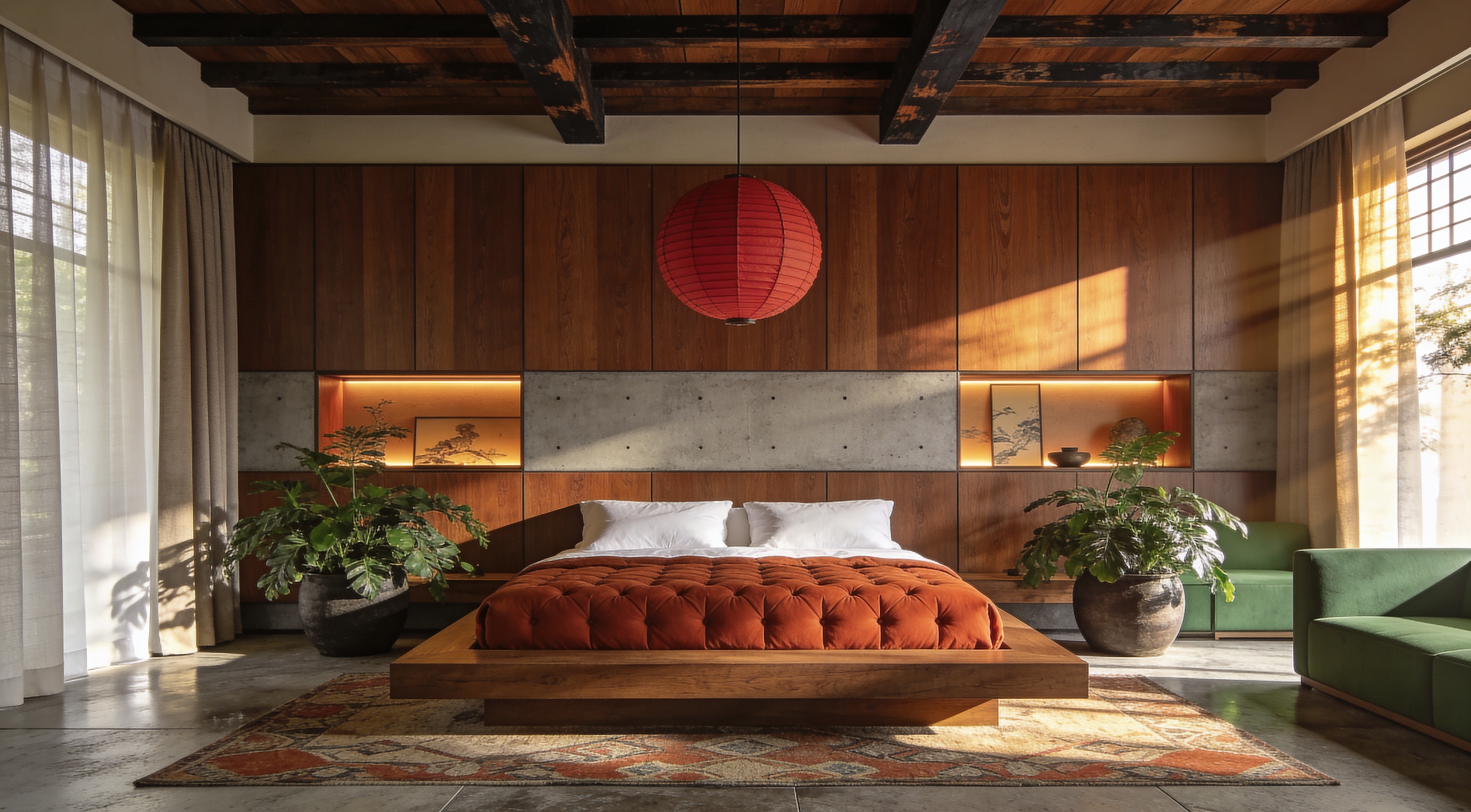
The dominant bedroom colour direction of 2026 is what interior designers are calling earthy cocooning — warm, tonal palettes built around cocoa brown, clay, warm cream, sand, and terracotta. These are not exciting colours in isolation. Together, in the right proportions, they create a quality that cooler, cleaner palettes cannot — the room feels like somewhere you want to be held by rather than somewhere you are simply placed in.
Start with the walls. Warm white — not brilliant white, which reads cold in low light — is the most flexible foundation. Benjamin Moore White Dove, Farrow & Ball Pointing, and Little Greene Slaked Lime are all examples of whites with enough warmth to feel intentional rather than default. If you want to go slightly deeper, warm greige tones like Farrow & Ball Elephant’s Breath or Dulux Mellow Mocha create a cocooning quality that white walls cannot match.
The earthy cocooning palette works through layering rather than through a single statement colour. Start with warm walls, add a deeper-toned headboard or bed frame, layer in mid-toned textiles — terracotta, rust, warm sand — and finish with the darkest elements in smaller quantities: a dark wood bedside table, a charcoal throw, a near-black lamp base.
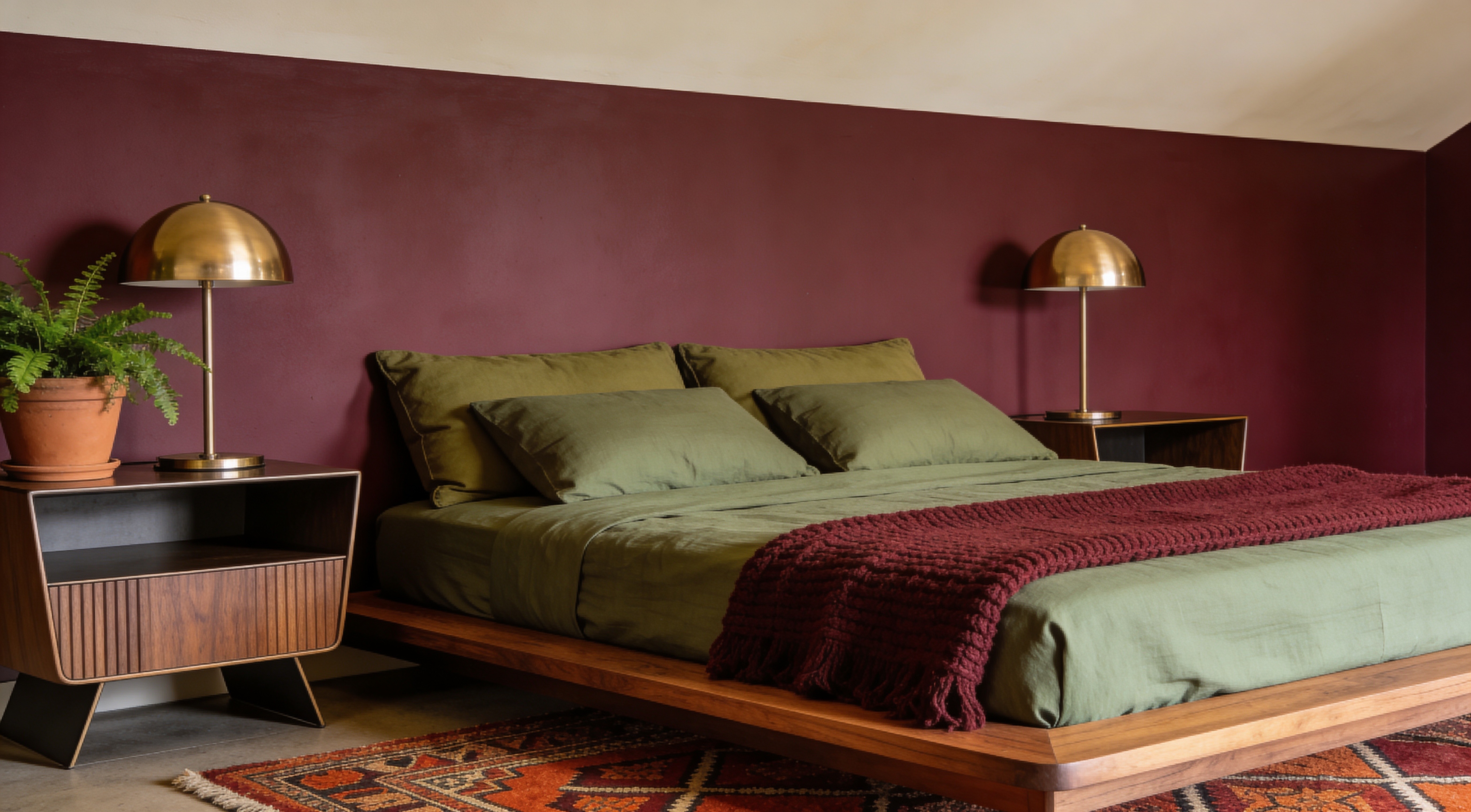
At the other end of the palette, dark moody bedrooms — forest green walls, deep navy, charcoal — are having a significant moment. The logic is the same as earthy cocooning: the bedroom is a room you experience primarily in low light, and colours that look overwhelming in a bright living room become enveloping and intimate in a bedroom. Dark walls with warm brass lighting, white bedding, and natural wood floors is one of the most striking bedroom combinations you can achieve. Cold greys and cold whites — the default palette of the 2010s — make bedrooms feel clinical in low light. If your bedroom currently lacks atmosphere in the evening, the most likely cause is cool-toned paint.
Lighting: The Three Layers
The lighting rules that apply to a living room apply equally to a bedroom, with one additional consideration: the bedroom is used across a wider range of activities — sleeping, reading, getting dressed, unwinding — and the lighting needs to support all of them independently.
The ceiling light in a bedroom should almost never be the primary light source in the evening. Its job is practical — getting dressed, finding things — not atmospheric. Fit a dimmable bulb and a dimmer switch if possible. Bedside lamps should be at eye level when you are sitting up in bed — not below, which creates unflattering upward light, and not significantly above, which makes reading uncomfortable. Wall-mounted reading lamps keep the bedside table surface free and allow precise positioning.
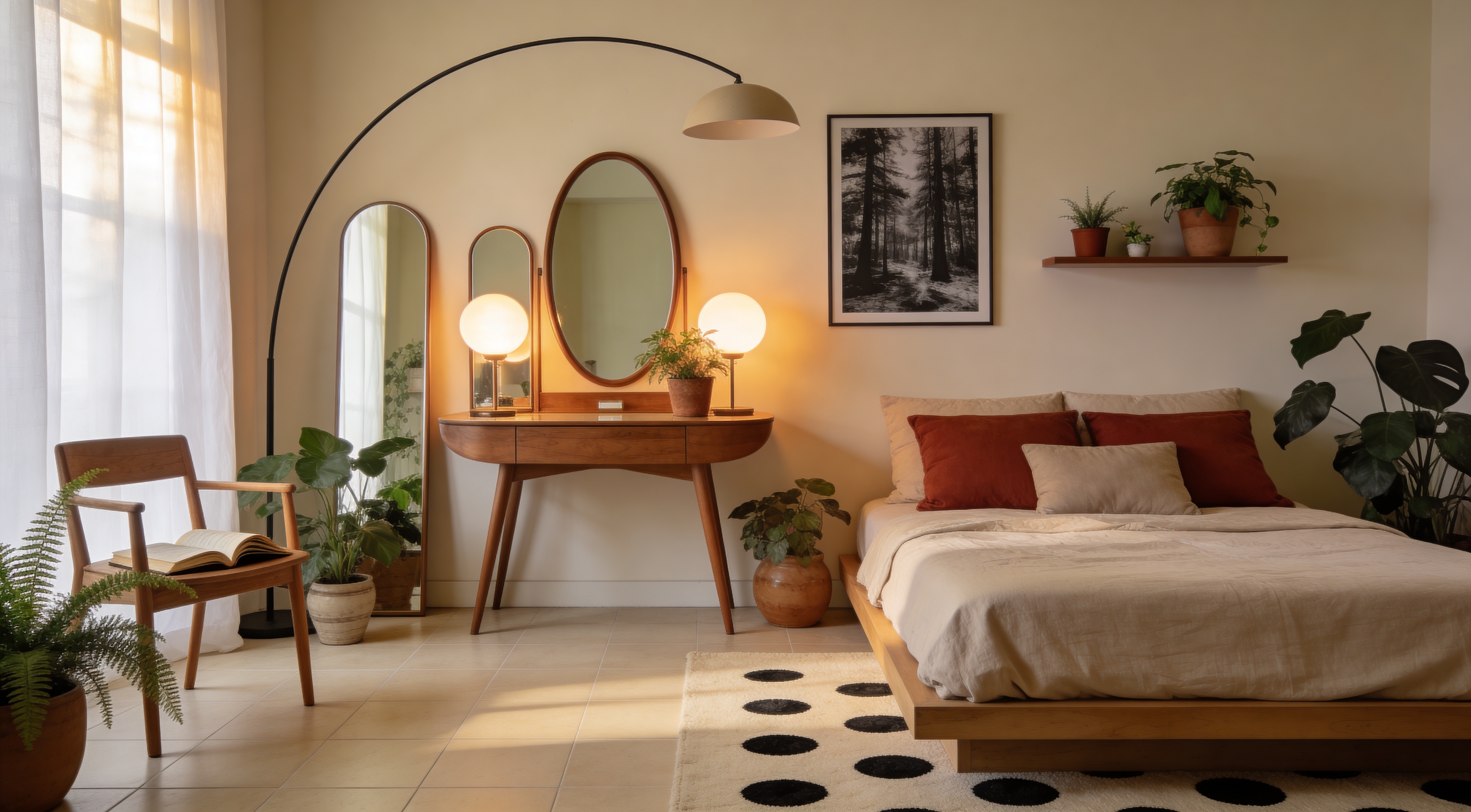
A lamp in the corner of the bedroom — a floor lamp behind a chair, a table lamp on a chest of drawers — creates the third layer that lifts a bedroom from functional to designed. It fills the corners of the room with warm light and makes the space feel larger and more considered than overhead lighting alone can achieve. For natural light, the layered approach — sheer curtains for daytime privacy and soft light filtration, blackout lining behind for complete darkness when needed — is both practical and the most visually refined option.
Texture: Why the Bedroom Is the Most Tactile Room
The bedroom is the room you experience most physically — you lie in it, wrap yourself in it, move through it half-asleep. More than any other room in the house, it rewards investment in texture. The visual quality of a room with multiple layered textures — a linen duvet, a boucle throw, a jute rug, a velvet cushion — is fundamentally different from a room with the same colours but flat, single-material surfaces.
Washed linen bedding is temperature-regulating, improves with washing, and has a relaxed, lived-in quality that suits almost every bedroom style. It is also more forgiving of imperfect bed-making than cotton percale. Colours that work best: warm white, oatmeal, sand, and all the earthy palette tones above. Avoid cold white linen with warm-toned walls — the colour temperatures will conflict.
A throw draped across the foot of the bed is the single easiest way to add texture and a second material layer to a bedroom. A thick boucle or chunky knit throw gets used every evening and becomes one of the objects you notice most in the room — choose a tone slightly darker than the duvet for the best visual result. The rug should be large enough to extend at least 50 cm beyond the sides and foot of the bed. A rug that is too small looks like it was placed by accident. Floor-length curtains hung from ceiling height make the room feel taller and more considered than curtains hung directly above the window.
The Details That Make It Yours
Mismatched bedside tables — different shapes, different materials, deliberately different heights — look more considered and personal than a matched set. The combination of a slim wood shelf with a sculptural ceramic lamp on one side and a more substantial nightstand with a stack of books on the other is more interesting than two identical tables.
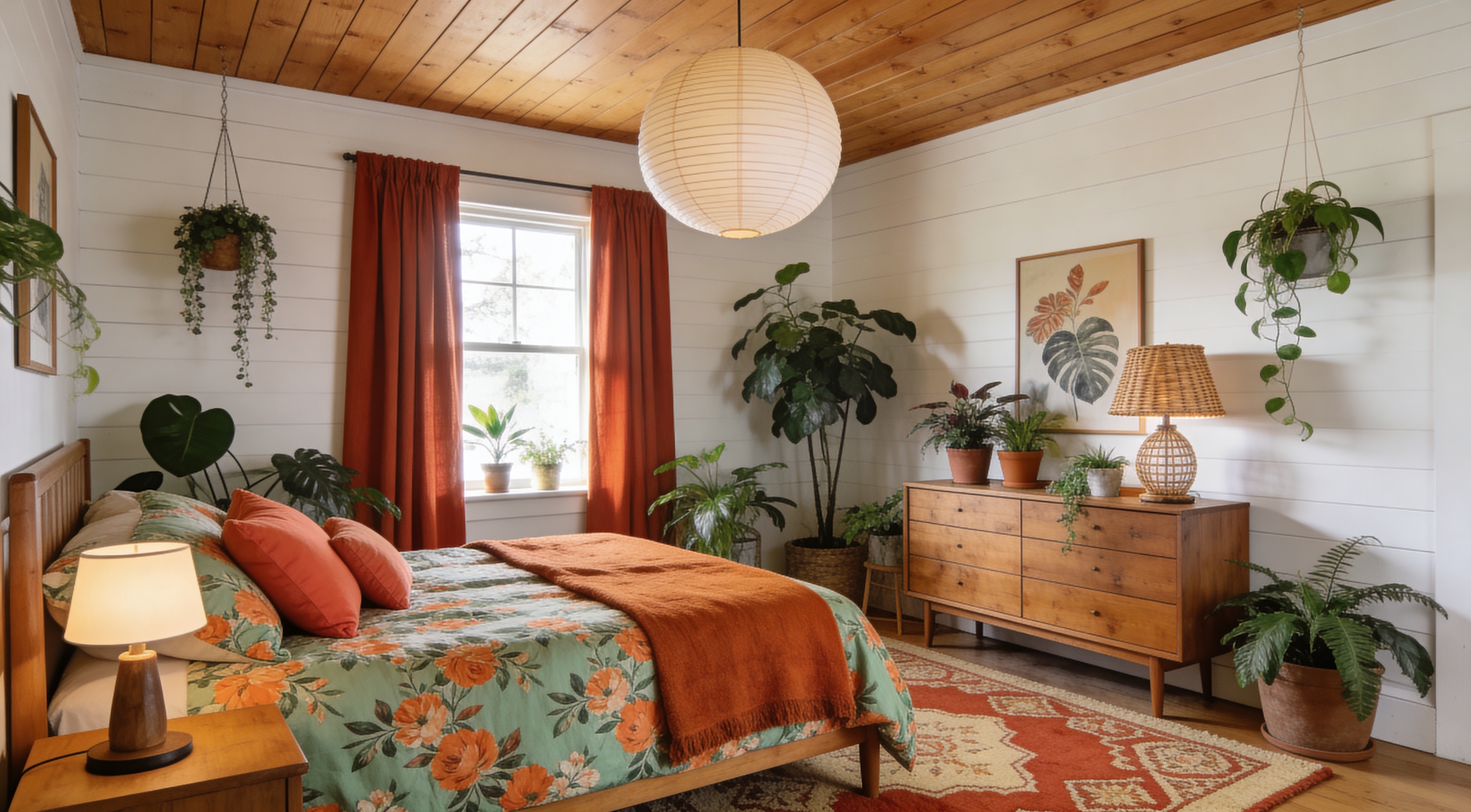
A single large plant — a fiddle leaf fig, a bird of paradise, or a substantial monstera — adds life and scale that no other object can replicate. Position it where it will receive the best available light, which in most bedrooms means beside or slightly back from the window. Artwork above the bed is most effective when it is either one large piece scaled to the width of the headboard or a deliberately arranged gallery arrangement with a clear internal logic. A single large piece is almost always safer than multiple smaller unrelated ones.
A bedroom you never want to leave in the morning is not a luxury. It is the result of a series of considered decisions — a headboard that anchors the room, a palette that feels warm rather than default, lighting that changes with how you use the space, textures that reward being in the room physically, and details that make the space feel personal rather than generic. None of these decisions require a large budget or a complete renovation. Most of them require only the willingness to be deliberate about a room that most people assemble by accident and never quite revisit.