
Kitchen Worktop Materials — Which One Actually Survives Daily Use?
Marble, quartz, granite, wood, concrete and laminate compared honestly across scratch resistance, heat, acid and maintenance. What each surface looks like after three years of real use.
The kitchen worktop is the most used horizontal surface in your home. It gets hot pans placed on it, wet cloths dragged across it, acidic food spilled on it, and sharp knives drawn along it every single day. Most people choose a worktop based on how it looks in a showroom photograph — which is exactly the wrong basis for a decision that will last ten to twenty years. This guide covers six materials with honest assessments of how each performs under real daily kitchen use, not under controlled showroom conditions.
Marble
Marble is the material most people want and most people are warned away from. Both the attraction and the warning are justified.
The visual case for marble is straightforward: no other material has the same depth, warmth, and natural variation. A Carrara marble worktop in morning light is genuinely one of the most beautiful surfaces you can put in a kitchen. The veining is unique to each slab — no two marble worktops are identical.
The practical case against marble is equally real. Marble is a calcium carbonate stone, which means it reacts chemically with acids. Wine, lemon juice, tomato, coffee, and vinegar will etch the surface on contact — not stain it in the traditional sense, but chemically erode the polish, leaving dull marks that cannot be cleaned away because they are not on the surface but in it. These etch marks are permanent unless the stone is professionally repolished.
The people who love marble worktops and never regret them are those who understand what they are buying: a living surface that develops character and patina over time, not a pristine laboratory surface. A marble worktop used daily for ten years will show the history of that kitchen. Whether that is attractive or not is a genuine preference, not a design mistake.
Quartz
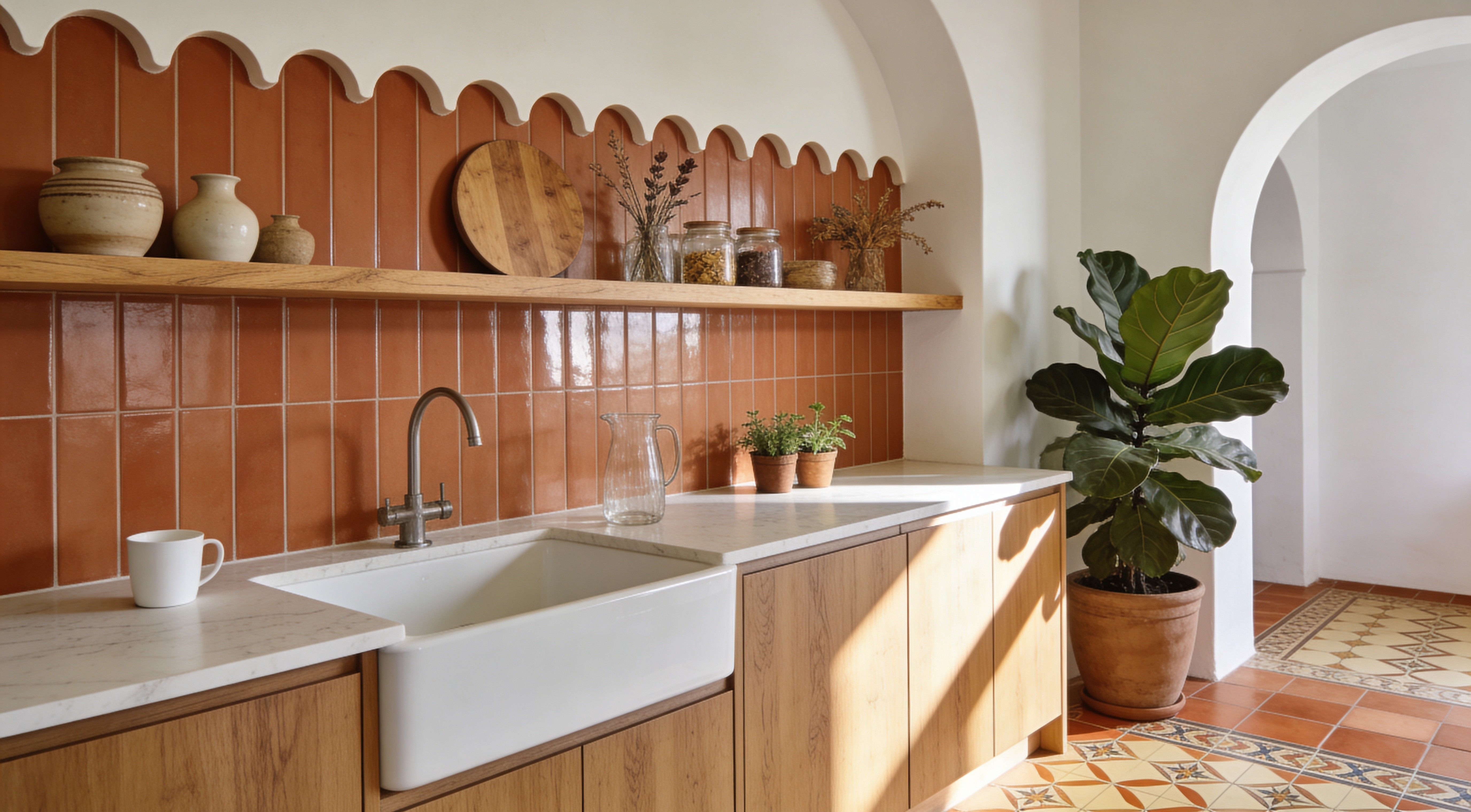
Quartz worktops are engineered stone — a composite of approximately ninety percent crushed quartz aggregate and ten percent polymer resin, pressed and cured into a slab. The result is a material that is harder, less porous, and more chemically resistant than natural stone.
The practical advantages of quartz are significant. It does not need sealing. It does not etch from acids. It is significantly harder than marble and more resistant to scratching. It cleans easily with a damp cloth and mild detergent. From a maintenance perspective, quartz is the simplest worktop material available.
The aesthetic trade-off is that quartz lacks the depth and natural variation of genuine stone. The pattern is consistent across the slab — which reads as slightly artificial to a trained eye. High-end quartz has improved significantly in the last five years and the better versions are genuinely difficult to distinguish from natural stone at normal viewing distance. Budget quartz products are immediately identifiable.
Cost: mid-range quartz worktops run between €200 and €450 per linear metre installed, depending on thickness, edge profile, and supplier.
Granite
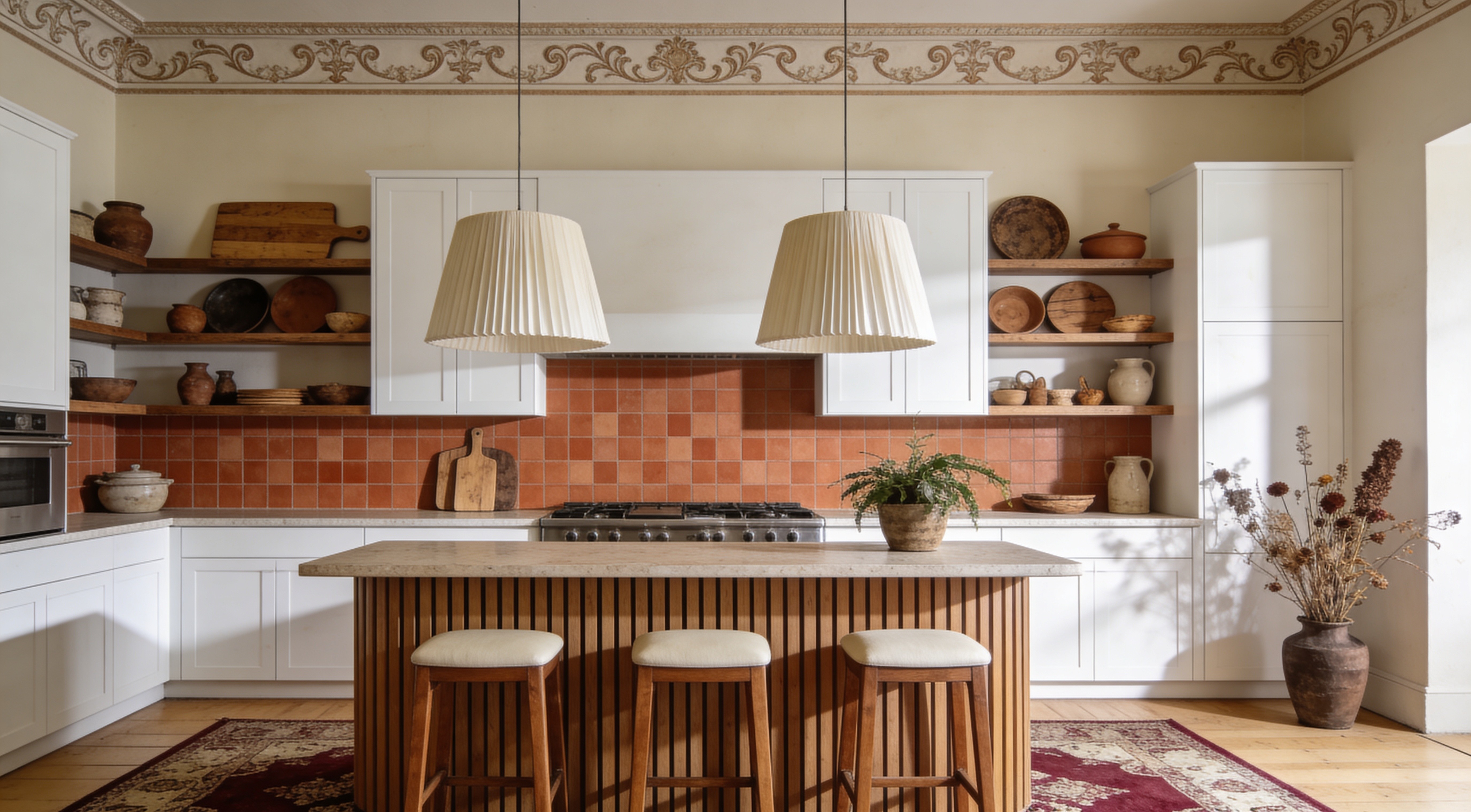
Granite is an igneous rock — formed under extreme heat and pressure — which gives it properties that neither marble nor most engineered materials can match. It is harder than quartz, more heat resistant than quartz, and more scratch resistant than any other commonly used worktop material.
A granite worktop placed in a kitchen will outlast the kitchen itself. It does not etch from acids in the way marble does. It can tolerate hot pans placed directly on the surface without damage. It scratches with extreme difficulty — you would need a material harder than granite, which in a domestic kitchen you are unlikely to encounter.
The aesthetic of granite is distinctive and not to everyone’s taste. The speckled, crystalline appearance of most granite reads as slightly dated in very contemporary kitchen designs. For classic, farmhouse, Mediterranean, or traditional kitchens it works exceptionally well. Cost is typically between €190 and €400 per linear metre installed.
Solid wood
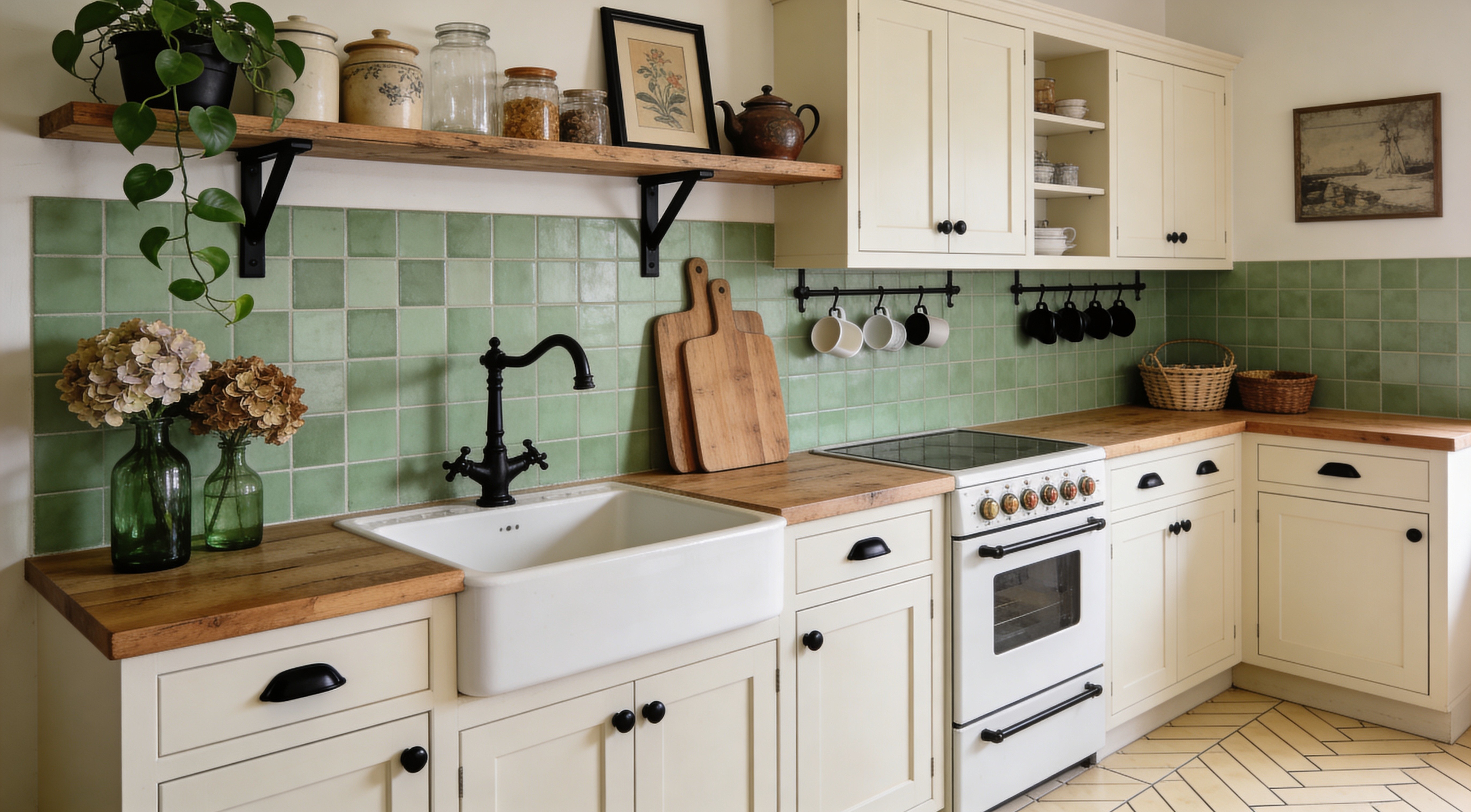
A solid wood worktop is the only worktop material that can be fully restored to its original condition if damaged. Every scratch, stain, and scorch mark that penetrates only to a certain depth can be sanded out and the surface reoiled to look completely new. This is a genuine and significant advantage that no stone or engineered material offers.
The warmth and visual weight of a solid timber worktop — oak, walnut, or beech are the most common choices — is unmatched by any other material. The grain, the colour variation, the way the surface changes with use and oiling — a well-maintained wood worktop at ten years old looks better than it did at one year old in a way that quartz simply does not.
The demands of wood are also real. A solid wood worktop must be oiled every three to six months minimum to prevent the surface drying, cracking along the grain, and becoming susceptible to water damage. Standing water on an untreated surface will cause swelling, warping, and blackening that cannot be sanded out if left long enough. The area around the sink is particularly vulnerable.
Cost: solid oak worktop in 40mm thickness runs between €60 and €140 per linear metre for materials — making wood the most accessible premium worktop material from a budget perspective.
Concrete
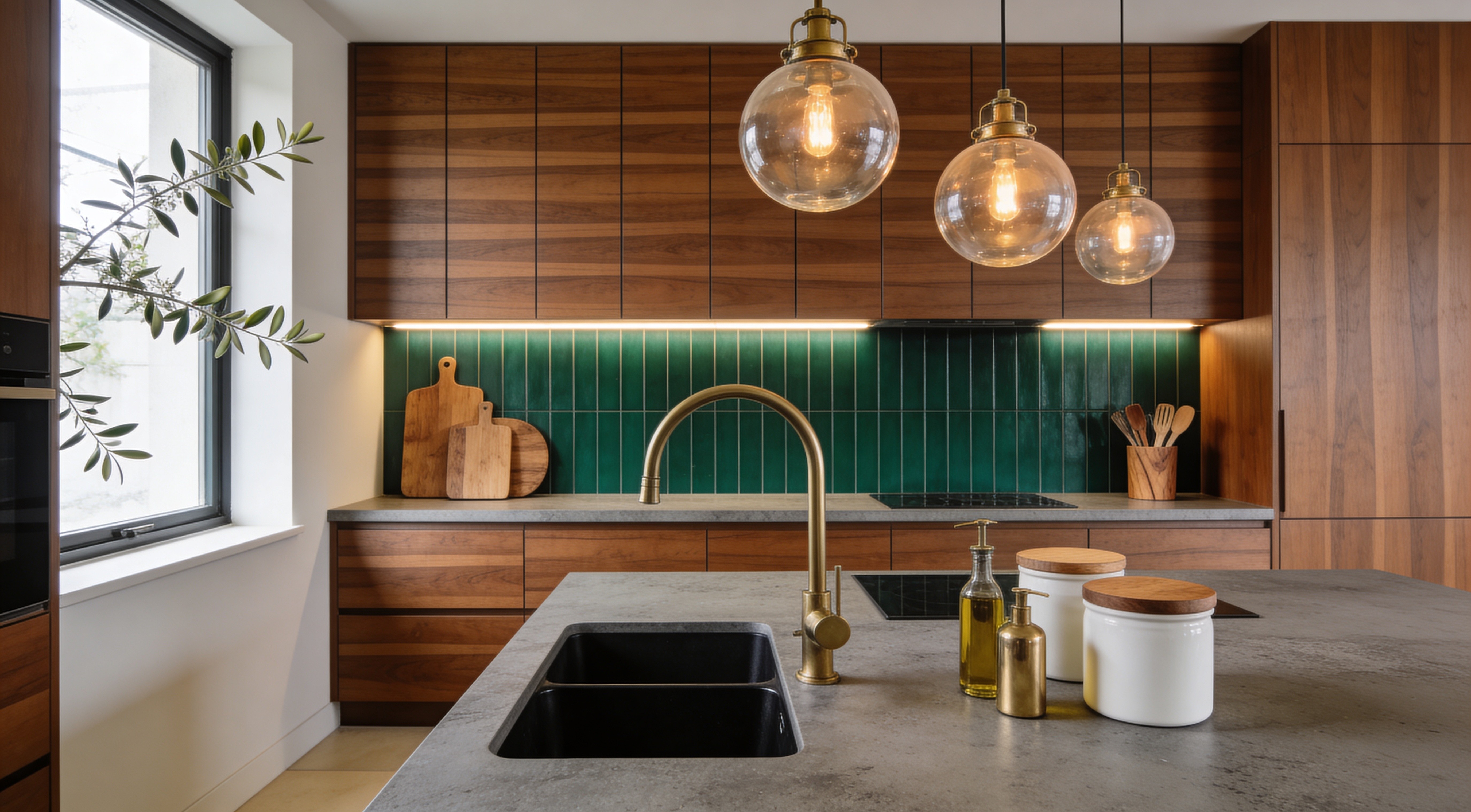
Poured concrete worktops are a genuine design statement — there is nothing else that creates the same flat, mineral, matte surface. In the right kitchen — industrial, minimalist, brutalist in aesthetic — a concrete worktop is irreplaceable.
The reality of living with concrete is more demanding than most design publications suggest. Concrete is extremely porous and requires thorough sealing before use and regular resealing thereafter. Even well-sealed concrete will stain from prolonged exposure to red wine, coffee, and cooking oils. Concrete also cracks — thermal movement and structural settling can cause hairline fractures to develop over time.
The aesthetic reward, for the right person in the right kitchen, makes all of this worthwhile. No other material ages in quite the same way — a used concrete worktop develops a patina of slight variations in tone and texture that makes it look more considered, not less.
Cost: poured-in-place concrete is among the most expensive options — between €380 and €880 per linear metre depending on fabricator and complexity.
Laminate
Laminate worktops have a reputation problem that is increasingly undeserved. The laminate products of 2026 bear almost no resemblance to the swollen, peeling surfaces of twenty years ago. High-quality laminate now includes surfaces that convincingly replicate natural stone, concrete, and wood at a fraction of the cost, with surface hardness and chemical resistance that exceeds most natural materials.
The specific advantages of modern laminate: it does not etch from acids. It does not stain easily. It requires no sealing, no oiling, and no special cleaning products. It is the lightest worktop material. And it is dramatically less expensive than any natural stone or engineered quartz product.
The genuine limitations are two: laminate cannot be repaired if badly damaged — a deep scratch through the decorative layer requires section replacement, not sanding. And laminate is heat sensitive — a hot pan placed directly on the surface will cause irreversible burns.
Cost: mid-range laminate worktops run between €20 and €55 per linear metre for materials — making this the most accessible option at any quality level.
The honest comparison
| Marble | Quartz | Granite | Wood | Concrete | Laminate | |
|---|---|---|---|---|---|---|
| Scratch | Low | High | Very high | Low* | Moderate | Moderate |
| Heat | Moderate | Trivet only | Very high | Low* | Moderate | Trivet only |
| Acids | Etches | Very high | High | Low | Stains | Very high |
| Maintenance | High | None | Low | Very high | Very high | None |
| Cost / m | Varies | €200–450 | €190–400 | €60–140 | €380–880 | €20–55 |
* Wood scratches and scorches are repairable by sanding — no other material on this list can say the same.
The right worktop material is not the most expensive one, or the most fashionable one, or the one that photographs best. It is the one that matches how you actually use your kitchen, how much time you are willing to invest in maintenance, and what the surface will look like after ten years of real life rather than ten minutes in a showroom. If you cook aggressively and have no patience for maintenance, quartz or laminate will serve you better than marble ever could. If you want a surface that improves with age and can be fully restored, wood has no equal. The material you will be happiest with is the one you chose with honest information rather than aspirational photography.